A fuel economy rating on a window sticker is easy to skim past. For a full-size truck shopper in Ontario, though, that number says a lot about what daily ownership will actually feel like, from the commute to the cottage haul.
The 2026 Tundra Hybrid CrewMax Limited carries a combined rating of 11.7 L/100 km. Here is what that figure covers, how the powertrain gets there, and where it matters most once you are behind the wheel.
What the Combined Rating Represents
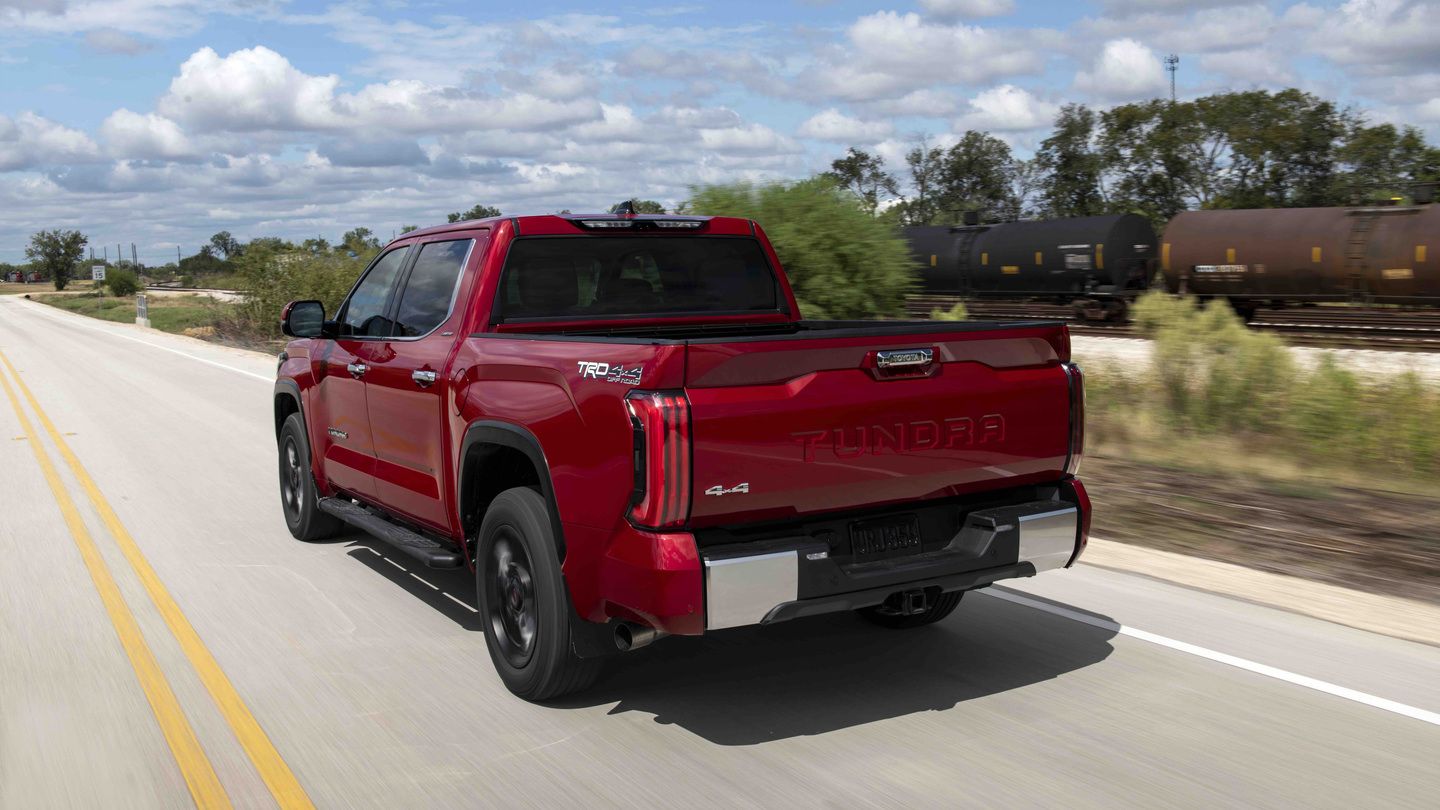
The 11.7 L/100 km combined figure for the Tundra Hybrid CrewMax Limited is not a single driving condition. It is a blended benchmark built from city and highway testing, meant to reflect mixed driving rather than one extreme or the other.
On its own, the Tundra Hybrid CrewMax Limited posts 12.7 L/100 km in city testing and 10.5 L/100 km on the highway. The 11.7 L/100 km combined number sits between those two, which is exactly the point: it is a planning tool for a truck that spends time doing both.
|
Metric
|
Hybrid CrewMax Limited
|
Gas CrewMax Limited TRD Off Road
|
|
City
|
12.7 L/100 km
|
13.5 L/100 km
|
|
Highway
|
10.5 L/100 km
|
10.6 L/100 km
|
|
Combined
|
11.7 L/100 km
|
12.2 L/100 km
|
How the Hybrid Powertrain Delivers That Number
The Tundra Hybrid runs a 3.4 L twin-turbo V6 paired with a hybrid system, producing 437 hp and 583 lb-ft of torque in the CrewMax Limited. That torque figure matters for how the truck actually earns its efficiency: electric assist fills in low-speed power delivery, so the twin-turbo V6 is not working as hard from a stop or during light acceleration.
That is a different balance than a conventional gas Tundra, where the engine alone handles every load. The hybrid system’s added torque means the powertrain can lean less on outright throttle input for routine acceleration, which is where the city-cycle gap between hybrid and gas versions shows up most.
Why the Combined Figure Matters in Real Ontario Driving
Stop-and-go traffic and longer highway stretches produce very different consumption patterns, and the combined rating only tells part of that story on any single trip. A shopper doing mostly short errands and stop-and-go commuting will see numbers closer to the 12.7 L/100 km city figure. Someone logging longer highway runs for work travel will trend closer to 10.5 L/100 km.
Seasonal conditions shift both ends of that range. Cold starts, longer idle periods, and reduced aerodynamic efficiency at highway speed can all push actual consumption above the rated figures, regardless of powertrain.
Load matters just as much as driving pattern. A trailer behind the truck, a bed full of gear, or sustained grades all increase fuel use beyond the standard rating, hybrid or not. The Tundra Hybrid’s torque advantage helps offset some of that load, but it does not exempt the truck from the basic physics of moving more weight.
The CrewMax Limited’s 122 L fuel tank works alongside the combined rating to shape how often a driver plans fuel stops. A larger tank paired with a lower combined consumption figure means fewer interruptions on longer trips, whether that is a family drive north or a job site further from home.
Who Should Prioritize This Figure
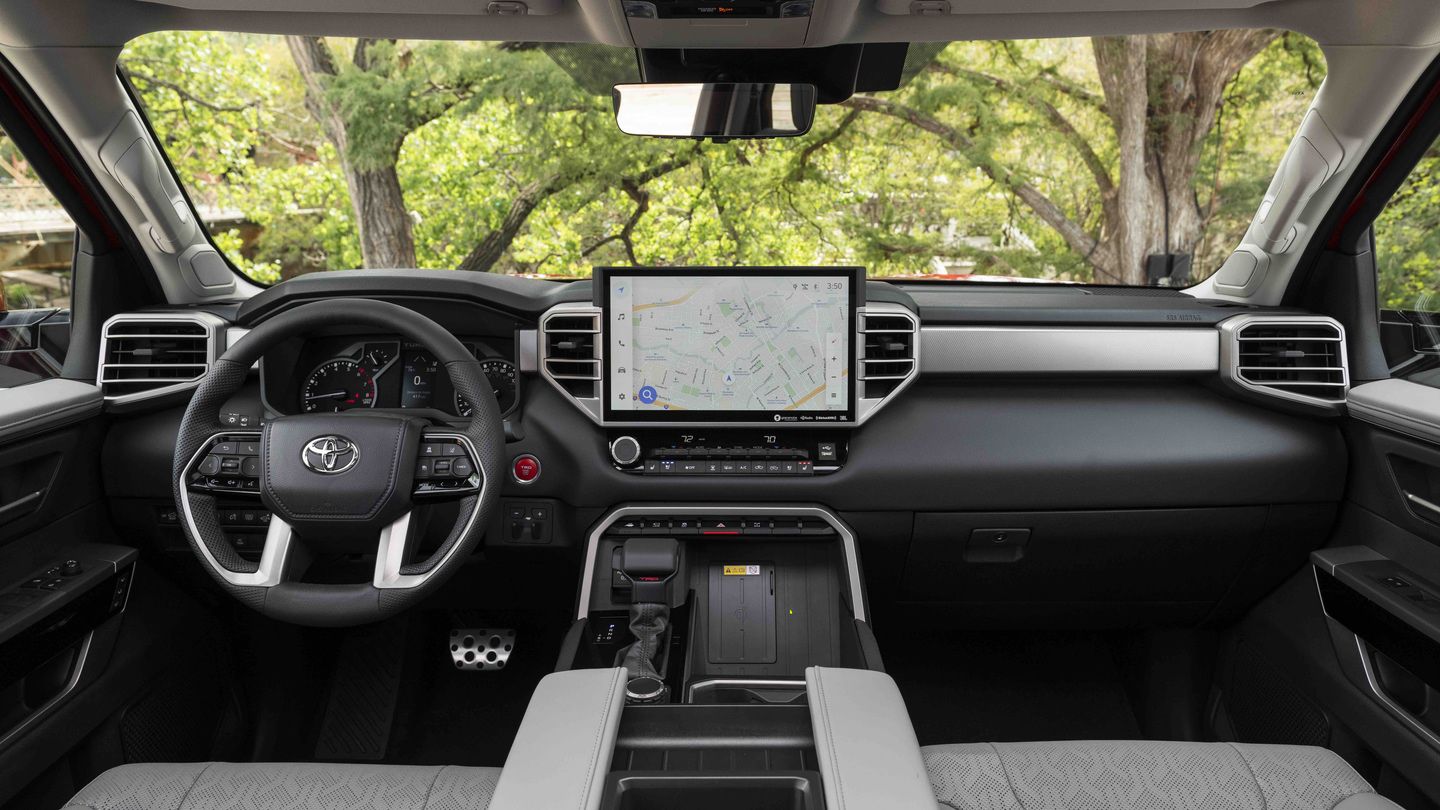
The Tundra Hybrid CrewMax Limited suits a buyer who needs full-size capability for work and family use but does not want to ignore day-to-day fuel spending. Someone running frequent short trips around town, mixed with occasional highway stretches, is exactly the driving pattern the combined rating is built to represent.
A shopper whose primary use case is heavy, consistent towing or continuous highway hauling should weigh the fuel economy figure alongside hauling needs rather than treating it as the deciding factor on its own. For that buyer, the CrewMax Limited’s cabin space, standard equipment, and 3.4 L twin-turbo hybrid output still matter, but the fuel economy number becomes one input among several rather than the headline.
Other Tundra configurations, including gas-only CrewMax and Double Cab setups, may better fit shoppers who prioritize a different balance of payload, bed length, or drivetrain configuration over the hybrid’s efficiency profile. Comparing those options against the CrewMax Limited hybrid is worth doing before settling on a trim.
Talk Through the Tundra Hybrid With Belleville Toyota
The 2026 Tundra Hybrid CrewMax Limited pairs a 3.4 L twin-turbo V6 hybrid system with a combined fuel economy rating of 11.7 L/100 km, giving Ontario truck shoppers a mixed-driving benchmark for daily commutes, errands, and longer trips.
Visit Belleville Toyota in Belleville to see the Tundra Hybrid CrewMax Limited in person and talk through how its fuel economy figures apply to your specific driving pattern.