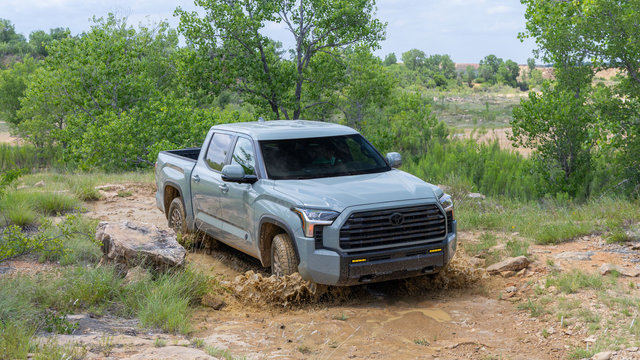
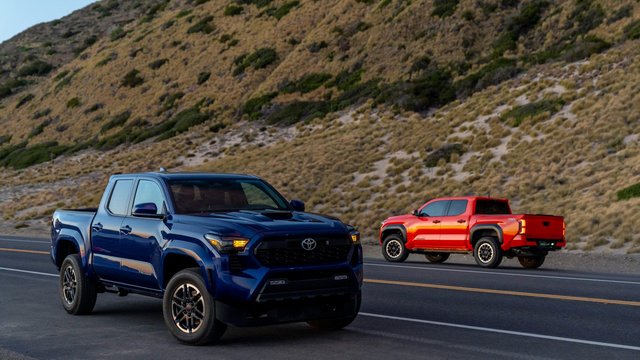
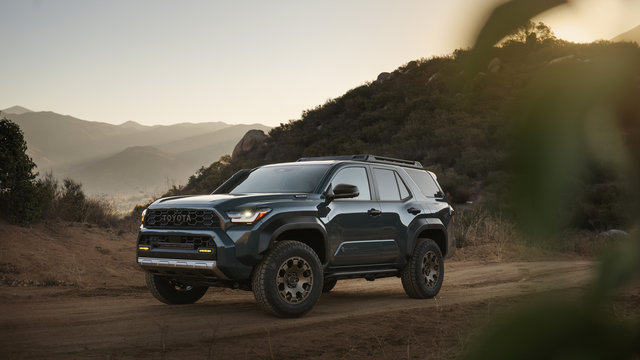
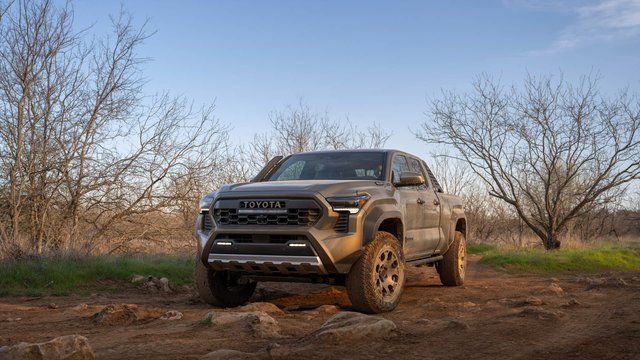
A truck that can run a job site tool without a separate generator changes how a workday starts. The 2027 Tundra i-FORCE MAX adds a 2.4 kW inverter built right into the truck, and Ontario tradespeople are the shoppers most likely to put it to use.
This piece explains what the inverter actually does, where it fits in the 2027 Tundra lineup, and who should weigh it seriously against a straight gas truck.
What the 2.4 kW Inverter Is
The 2.4 kW inverter is a built-in power source available on i-FORCE MAX grades of the 2027 Tundra. It converts the truck’s power into standard AC output, the kind you would normally get from a wall outlet or a portable generator.
It is offered alongside the rest of the 2027 Tundra’s technology updates: a standard 14-inch touchscreen running the latest Toyota Multimedia system, a built-in Drive Recorder, and a Panoramic View Monitor where equipped. The inverter is one capability in that broader package, not a stand-alone gadget.
How It Works, in Plain Language
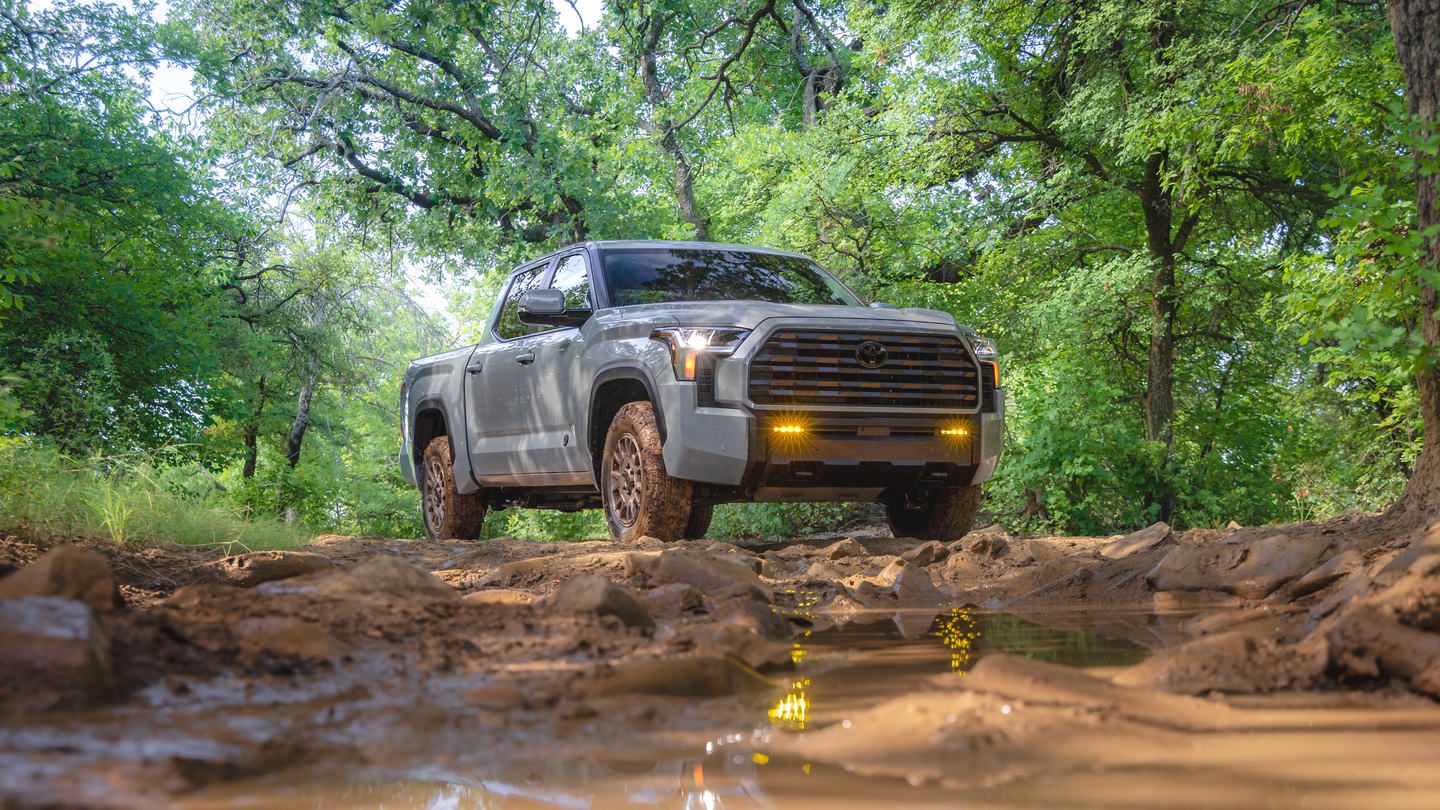
Think of the inverter as a permanent power outlet wired into the truck instead of a portable unit you have to haul, fuel, and store. Toyota positions it for tools, gear, and recreational equipment, whether that’s on the job, at a campsite, or on the move.
Because it draws from the i-FORCE MAX hybrid system, it is specific to that powertrain. A gas-only Tundra grade does not carry this feature, so the inverter is a genuine reason to look at the hybrid side of the lineup if onboard power matters to your work.
Why It Matters for Ontario Work and Ownership
For a contractor moving between stops, an onboard inverter cuts out the extra step of loading and unloading a generator. Tool charging, small saws, work lights, and similar equipment can run straight off the truck.
It is a convenience and capability feature, not a replacement for every job-site power need. A crew running heavier equipment for a full shift still needs a dedicated generator; the inverter is built for lighter, intermittent draws, not sustained high-load work.
That distinction matters when you’re deciding whether the feature changes your workflow or simply adds backup. Occasional power needs, charging a phone, running a shop light, topping off a battery tool, are exactly where the inverter earns its keep. Frequent, heavy on-site utility still points toward a separate generator running alongside the truck.
Who Benefits Most
Contractors, tradespeople, and mobile service crews who move between multiple stops in a day are the clearest fit. So are property owners tackling projects where a quick power source beats setting up a generator for a short task.
The feature also works for buyers who split their truck’s time between work and recreation. Weekend builds, tailgates, roadside needs, and light camping gear all fall within what a 2.4 kW inverter can reasonably support, without treating it as a full camp power station.
You don’t need a work truck to justify the feature. A truck owner who tows a trailer on weekends, charges tools for a side project, or wants backup power for outdoor gear gets real use from it, even if work isn’t the main reason for the purchase.
The inverter reads best as one piece of a broader work setup: paired with the truck’s payload and towing capability, driver-assist systems like Toyota Safety Sense 4, and the visibility tools built into the multimedia system, rather than as the single reason to buy.
Matching the Feature to How You Actually Use a Truck
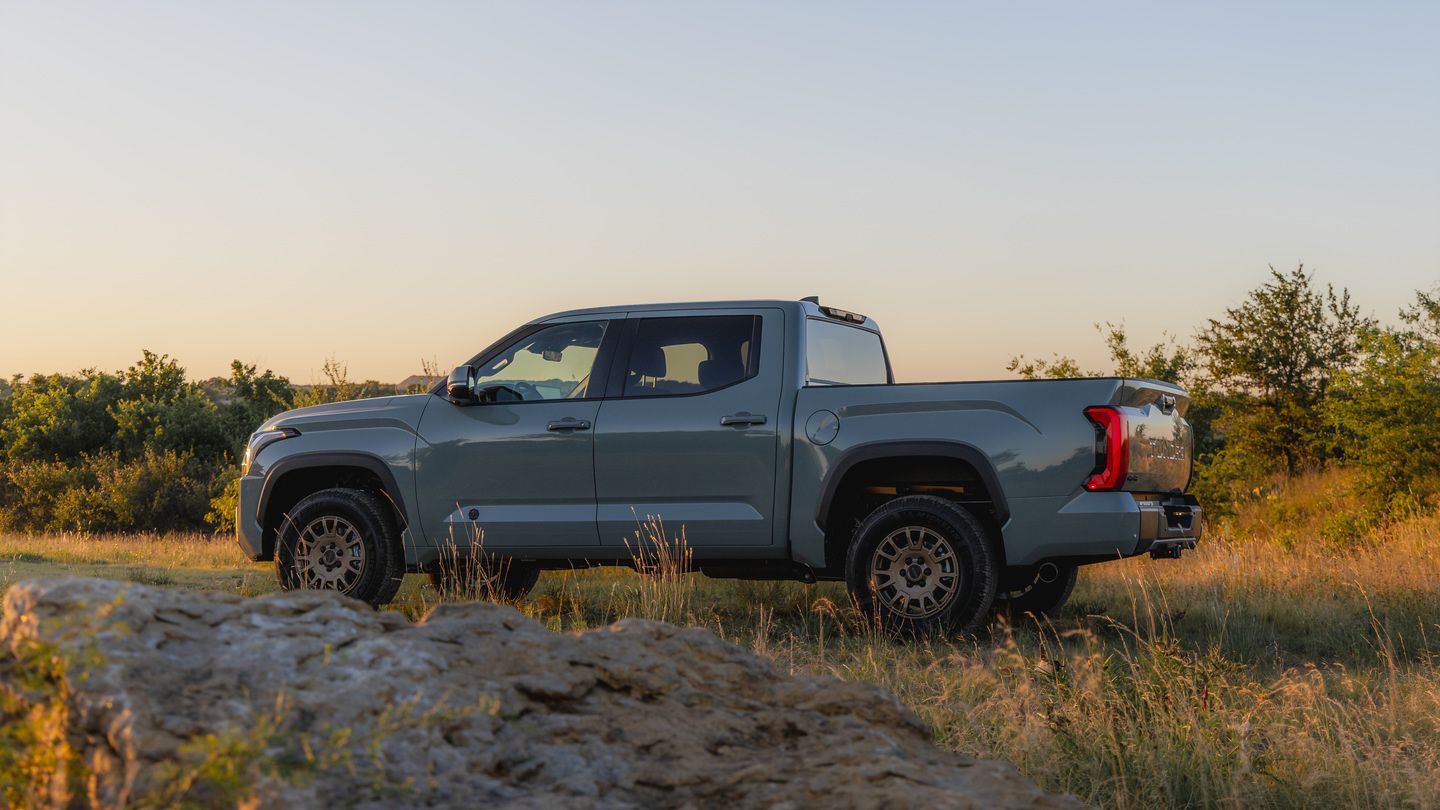
The most useful way to shop this is by tool list, not by spec sheet. If your daily draw is a couple of chargers, a light, and small power tools, the inverter covers it. If you’re running heavier equipment for hours at a stretch, plan around a dedicated generator and treat the inverter as backup.
The 2027 Tundra lineup spans SR, SR5, TRD Off Road, Limited, Platinum, 1794 Edition, TRD Pro, Capstone, and the Trailhunter package, with both gas and i-FORCE MAX hybrid powertrains offered. The inverter is tied specifically to the hybrid side, so grade and powertrain choice both factor into whether you get it.
Finding the Right 2027 Tundra Setup in Belleville
The 2.4 kW inverter gives i-FORCE MAX Tundra owners a built-in power source for tools, gear, and everyday needs, adding practical versatility without replacing dedicated job-site equipment for heavier loads.
Visit Belleville Toyota in Belleville to ask about i-FORCE MAX availability across the 2027 Tundra grades and see the inverter-equipped setup in person.