The leaves are down, the mornings are frosty and the first snowfall is not far off. For 2026 Toyota Tundra owners, that means one important job: getting the winter tires on before the roads turn white.
A full-size truck like the Tundra carries plenty of weight and power. Good winter tires help put that strength to work when the pavement is cold, wet or icy. This step-by-step guide walks you through the changeover, from timing your appointment to checking the spare.
Step 1: Know When to Make the Switch
You do not need to wait for snow. A common guideline in Canada is to put winter tires on once daily temperatures settle around 7°C or below.
At those temperatures, the rubber in all-season and all-terrain tires starts to stiffen. Winter tires use a softer compound that stays flexible in the cold. Their deep tread and many small slits, called sipes, also help them grip snow and ice. That means better stopping and steering when the weather turns.
Booking early also helps. Service departments get busy fast once the first flakes fall, so a fall appointment saves you a wait.
Step 2: Confirm Your Tundra’s Tire Size
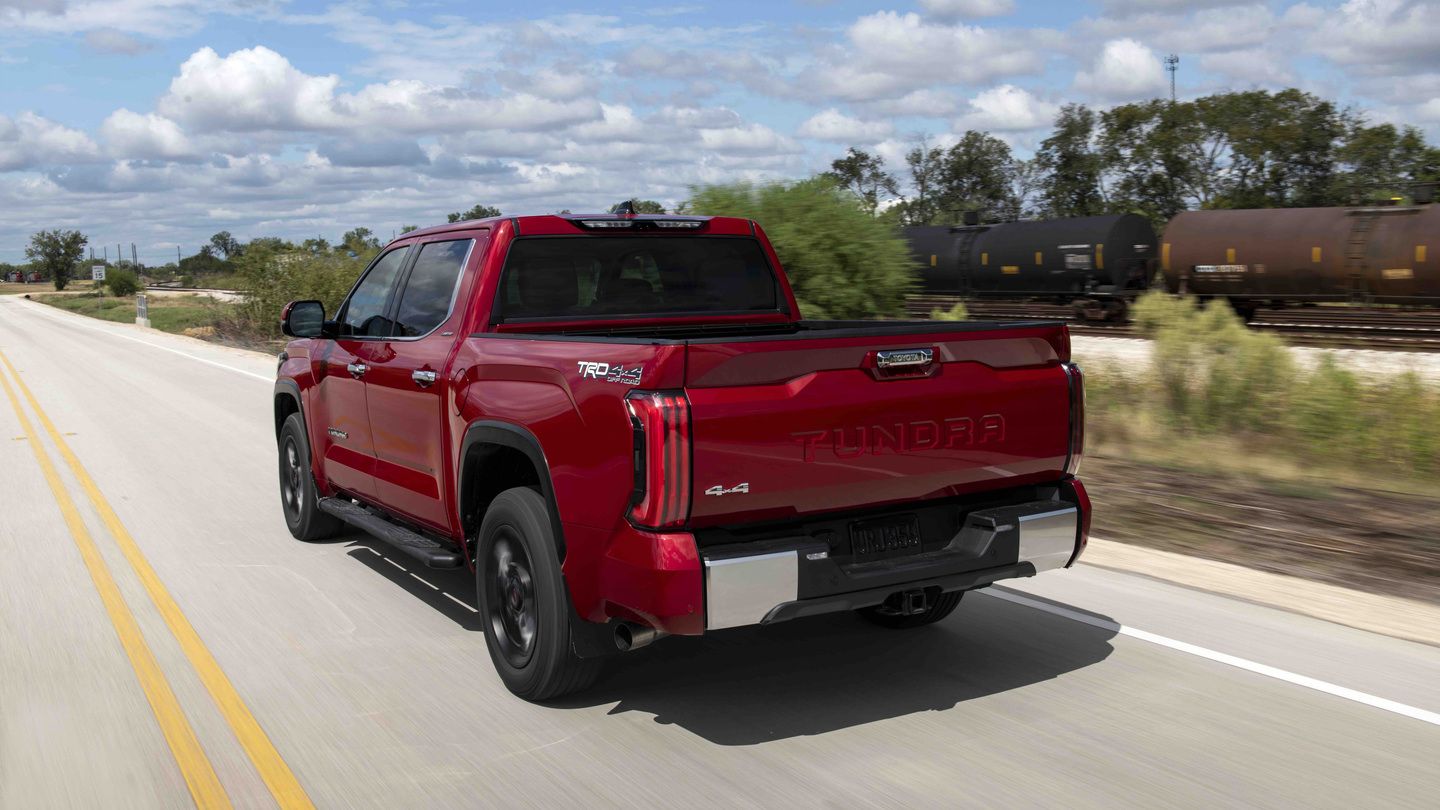
Your winter tires should match the size your Tundra was built for. You can find it on the tire sidewall and on the placard inside the driver’s door jamb.
The 2026 Tundra uses different sizes depending on the grade. Here are some common examples:
|
2026 Tundra Grade
|
Factory Wheels and Tires
|
|
SR (CrewMax)
|
18-inch wheels, P245/75R18 tires
|
|
SR5 (CrewMax)
|
18-inch alloy wheels, 265/70R18 tires
|
|
Platinum (CrewMax)
|
20-inch wheels, 265/60R20 tires
|
If you have a different grade or a long bed configuration, our service advisors can confirm your exact size in a few seconds.
Step 3: Decide on a Second Set of Wheels
Many truck owners mount their winter tires on a dedicated set of wheels. Each changeover becomes quicker, and your tires last longer because they are not being mounted and unmounted twice a year. A separate winter set also keeps your main wheels away from road salt and slush.
Plenty of drivers choose simple, durable wheels for winter and save the dressier factory wheels for spring and summer.
Step 4: Check Tread, Pressure and the Spare
If your winter tires are from last season, take a close look before they go back on:
- Tread depth: Winter tires lose snow grip as they wear. Have the tread measured.
- Tire pressure: Cold air lowers pressure. Set each tire to the pressure on the door jamb placard and check it monthly.
- Damage: Look for cuts, bulges or uneven wear on the sidewalls and tread.
- Spare tire: The 2026 Tundra comes with a full-size spare. Make sure it is in good shape and properly inflated.
Step 5: Get to Know Your Truck’s Winter Features
The Tundra has plenty of helpful features for cold, snowy weather. Gas-powered 4x4 models use an i-FORCE 3.4 L twin-turbo V6. On SR grades it makes 348 hp and up to 405 lb-ft of torque, while other grades are tuned for 389 hp and up to 479 lb-ft. The i-FORCE MAX hybrid models pair the 3.4 L twin-turbo V6 with an electric motor for 437 hp and 583 lb-ft of torque.
Tundra 4x4 models use on-demand four-wheel drive, which helps you pull away and climb on slippery surfaces. A windshield wiper de-icer helps free frozen wiper blades, and a rear window defogger clears the back glass on frosty mornings.
Some off-road-focused configurations add Multi-Terrain Select and Crawl Control. Your owner’s manual explains how each one works and when to use it.
Remember that four-wheel drive helps the truck get moving. Your tires handle the stopping and steering. That is why winter tires are such a smart pairing for a 4x4 Tundra.
Step 6: Store Your Off-Season Tires Properly
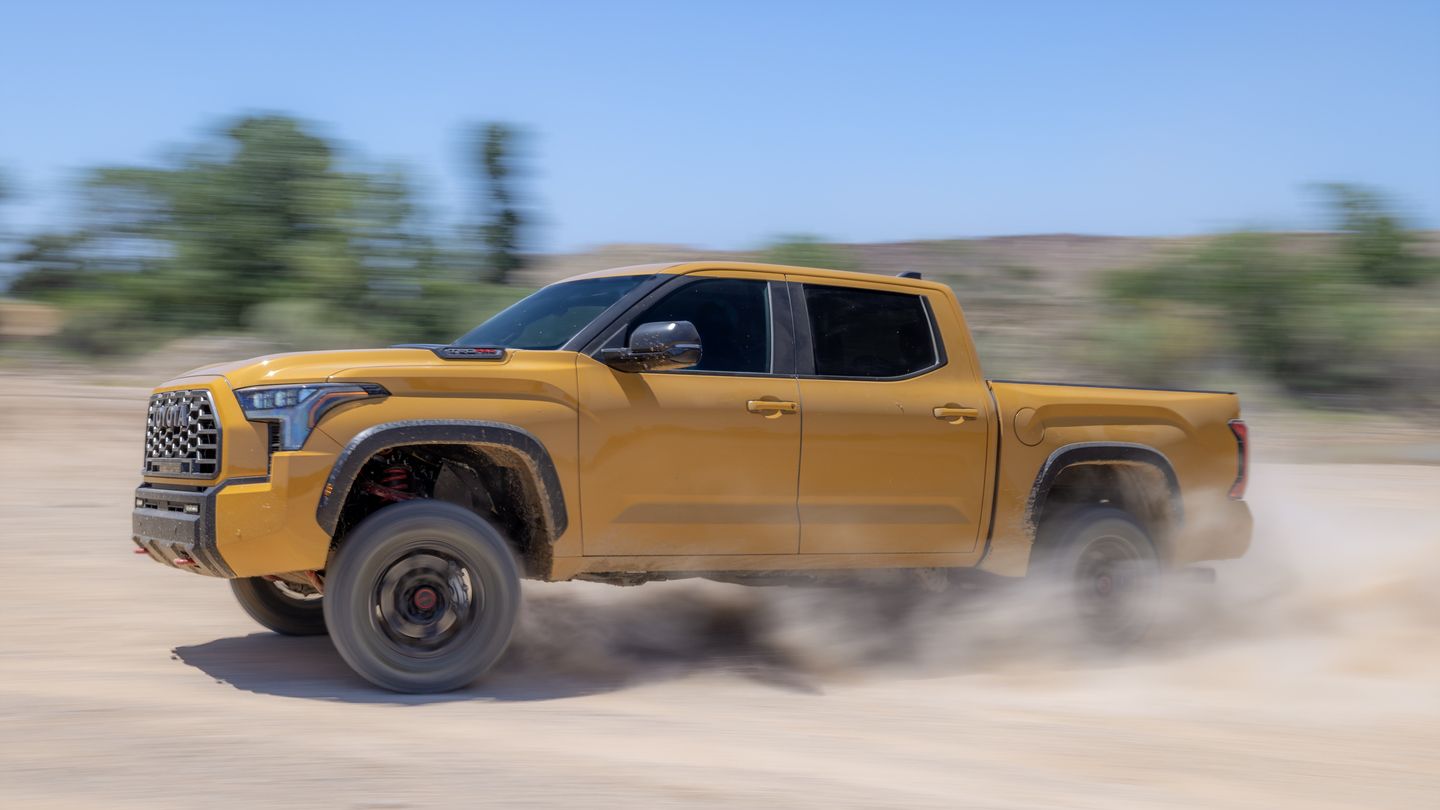
Once your winter tires go on, your other set needs a good home. Clean them, let them dry and store them away from direct sunlight and heat. Tires on wheels can be stacked flat or hung. Many dealerships also offer seasonal tire storage, which saves space in your garage.
Key Takeaways
|
Changeover Step
|
What to Do
|
|
Timing
|
Switch around 7°C and below, and book early
|
|
Tire size
|
Check the sidewall or driver’s door jamb placard
|
|
Second wheel set
|
Faster changeovers and less salt on your main wheels
|
|
Inspection
|
Tread, pressure, damage and the full-size spare
|
|
Storage
|
Clean, dry and out of sunlight
|
Let Belleville Toyota Handle Your Changeover
Getting your Tundra ready for winter is easy when you have a team that knows these trucks inside and out. The service department at Belleville Toyota in Belleville can confirm your tire size, swap your tires, check tread and pressure and help you plan for storage. Book your seasonal appointment and head into winter feeling prepared.